
Spring Safety Tips for Outdoor Teams: A Fresh Seasonal Checklist for Business Owners
As winter fades and outdoor work ramps back up, spring offers the perfect chance to refresh your commercial property and prepare your team for a busy season ahead. While the warmer weather is a welcome change, it also brings specific hazards that can lead to accidents, injuries, or unexpected insurance claims if they aren’t addressed early. By taking a little time now to look over your property, clean up lingering debris, and inspect your equipment, you can help ensure a safe and productive spring for everyone on your team.
Below are practical steps you can take to reduce seasonal risks and give your business a strong start to spring.
Inspect Your Property for Winter Damage
Winter weather often leaves behind problems such as cracked pavement, loose steps, potholes, or uneven surfaces. These issues can easily go unnoticed until someone stumbles or slips.
Walk your exterior spaces, paying special attention to sidewalks, parking lots, and stairways. If you find damage, plan repairs as soon as possible—whether that means patching a hole, repainting stair edges for better visibility, or placing slip‑resistant mats in trouble spots. Taking care of small issues now helps prevent costlier accidents down the road.
Remove Clutter from Work Areas and Walkways
Outdoor spaces tend to collect miscellaneous items over time—hoses, extension cords, temporary signs, leftover project supplies, or stray tools. These objects can quickly become tripping hazards if they aren’t cleared away.
Make it a priority to tidy up any clutter and return equipment to designated storage areas. Keeping pathways clear not only helps prevent injuries but also promotes a more organized and efficient work environment.
Inspect Outdoor Tools and Machinery
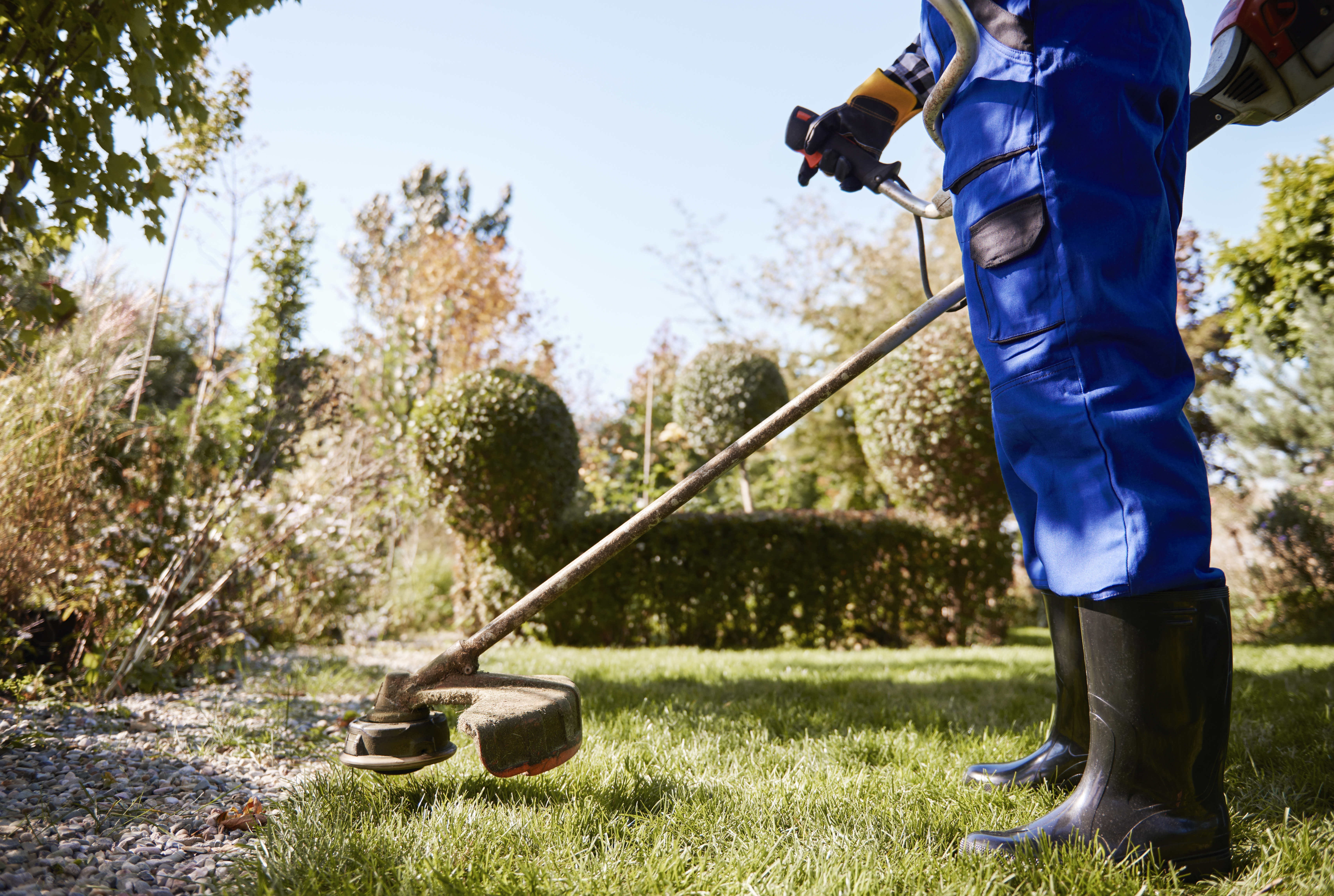
Before you restart regular outdoor operations, take a few minutes to look over equipment such as lawn mowers, trimmers, blowers, and pressure washers. After several months of little or no use, it’s common for cords, guards, or switches to show signs of wear.
Check each piece of equipment to confirm it’s in good working order. Replace frayed cords, tighten loose parts, and repair or retire damaged items. This quick check helps protect your employees and reduces the risk of equipment-related accidents.
Review Ladder Safety Before Higher-Risk Tasks
Tasks like changing outdoor signage, cleaning gutters, or washing high windows often require ladders. Even a sturdy ladder can be dangerous if it’s not used correctly.
Make sure ladders are in good condition and placed on stable, level ground. Remind your team never to lean too far in any direction—overreaching is one of the most common causes of falls. A brief safety refresher can go a long way toward preventing serious injuries.
Encourage Safe Lifting to Prevent Strains
As outdoor work increases in spring, so does the likelihood of lifting, hauling, and other physically demanding tasks. Without the right technique, workers can easily strain their backs, shoulders, or knees.
Encourage employees to bend their knees instead of their backs, keep heavy loads close to their body, and avoid twisting while carrying items. When something is too heavy or awkward to lift alone, remind them to ask for assistance. These simple habits help minimize injuries and keep your team healthy.
Update and Refresh Safety Gear
Spring introduces new risks such as debris, sharp branches, or increased roadside activity. Proper protective gear ensures your team can work safely in changing conditions.
Confirm that workers have durable gloves, protective eyewear, sturdy shoes, and brightly colored clothing if they’re working near traffic. On sunny days, sunglasses or shaded safety glasses can help reduce glare. Small updates to gear can make a big difference in keeping your team safe on the job.
Prepare for Sun Exposure, Heat, and Insects
Longer days and warmer temperatures also bring sunburn, dehydration, and bothersome insects. Without precautions, these issues can lead to discomfort or even lost work time.
Make sure employees drink plenty of water, take breaks in shaded areas, and use sunscreen or insect repellent when necessary. Lightweight long‑sleeve shirts, hats, and other protective clothing can help shield workers from both UV rays and irritants found in grassy or wooded areas.
Check Emergency Supplies and Review Plans
Spring is also a great time to revisit your emergency preparedness. Being ready to act quickly can prevent small issues from becoming major problems.
Inspect first‑aid kits, fire extinguishers, and smoke detectors to make sure everything is stocked and functioning properly. Take a few minutes to review emergency procedures with your team so everyone knows what to do if a situation arises. Preparedness is one of the simplest ways to protect your employees and your property.
Strong Insurance Coverage Still Matters
Even with careful planning, accidents can happen. That’s why maintaining solid commercial insurance is essential. Policies like general liability and workers’ compensation provide vital protection when unexpected incidents occur.
If it’s been a while since you reviewed your coverage, spring is an ideal time to make sure your policies still fit your needs. As outdoor activity increases, you’ll want to be confident your business is protected if something goes wrong.
If you’d like help evaluating your commercial insurance, reach out today—we’re here to help you stay protected for whatever the spring season brings.