
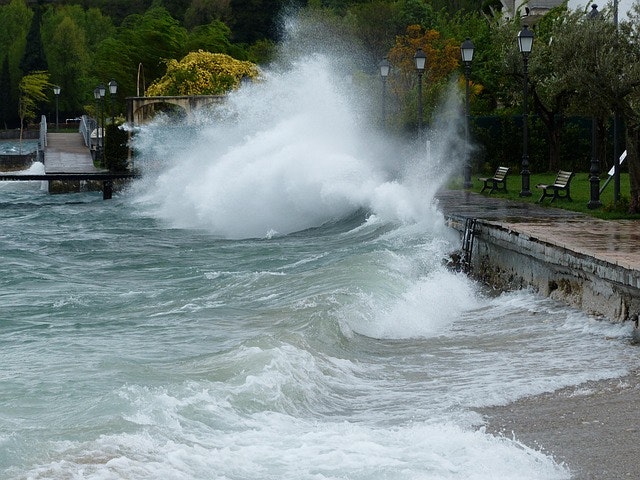
Hurricane Season Preparation Guide for Homeowners
Hurricane season brings the risk of strong winds, heavy rain, and widespread damage, even for homeowners who live far from the coastline. Taking time to prepare now can protect your property, reduce stress, and help your family stay safe during severe weather. This guide outlines essential steps every homeowner should take before storms develop.
Storm readiness begins long before a hurricane enters the forecast. By organizing supplies, safeguarding important documents, reinforcing your home, and reviewing your insurance plans, you can respond quickly and confidently when conditions change. These practical tips can help you feel more secure as the season progresses.
Build a Well-Stocked Emergency Kit
When a major storm disrupts utilities and public services, it may take days before power and water are restored. An emergency kit ensures your household is prepared to manage without outside assistance for a short period. Plan to have enough essentials to support each person in your home for several days.
Make sure your kit includes items such as nonperishable food, clean drinking water, and prescriptions or medical supplies. A helpful guideline is to store at least one gallon of water per person per day. This ensures your family has enough for both drinking and basic sanitation needs.
Additional items to include in your preparedness kit:
- Flashlights, spare batteries, and a hand-crank or battery-powered radio
- Basic hygiene supplies and sanitation items
- First aid materials and medical necessities
- Formula, diapers, and other infant care items when needed
- Pet food, medicines, and carriers for household animals
- Comfort items for children such as small toys or blankets
- Portable chargers or power banks for mobile devices
- Extra clothing and weather-appropriate outerwear
- Small amounts of cash in case electronic payment systems fail
- Copies of essential documents stored in waterproof packaging
Preparing these supplies before a storm watch is issued prevents last-minute stress and ensures your family can manage safely if conditions worsen.
Safeguard Important Documents and Valuables
Hurricane preparation also involves protecting documents that may be challenging or impossible to replace. Items such as estate planning papers, Social Security cards, birth certificates, passports, insurance policies, banking information, and medical records should be secured well ahead of time.
Sentimental belongings like photographs, heirloom items, and jewelry also deserve careful storage. Keeping these items organized not only reduces the chance of loss but also makes the recovery and claims process easier if damage occurs.
Consider taking these protective steps:
- Digitally scan documents and store them securely using cloud storage or encrypted files
- Place physical copies in waterproof containers or durable sealable bags
- Store important items on elevated shelves or higher floors
- Document your belongings with photos or videos for future insurance claims
- Create a simple home inventory that includes estimated values of key items
Having these materials ready before a storm develops can reduce stress and streamline the recovery process if your home is affected.
Prepare and Strengthen Your Home Before Severe Weather
High winds and heavy rain can cause significant exterior damage if your home is not properly secured. Taking preventative measures ahead of time reduces risk and creates a safer environment for your household.
Trim back overgrown branches and remove dead limbs long before storm season peaks. When a hurricane watch is issued—typically about two days before tropical-storm-force winds arrive—your focus should shift to clearing loose items rather than performing heavy yard work.
Additional steps to protect your home include:
- Cleaning out gutters and downspouts to prevent blockages
- Bringing patio furniture, outdoor décor, and loose objects indoors
- Checking doors and windows to ensure they are properly sealed
- Confirming that garage and entry doors are reinforced and secure
- Inspecting the roof from the ground using binoculars
- Parking vehicles in safer areas away from trees and flood-prone spots
When a hurricane warning is issued—typically within 24 to 36 hours of expected impact—final tasks should be completed. Fill your vehicle's gas tank, unplug electronics to avoid surge damage, and gather essential paperwork in a waterproof folder in case evacuation becomes necessary.
Develop a Clear Evacuation Plan
Evacuation orders are issued to protect life and safety. If local officials advise you to leave, evacuating promptly is critical to avoid traffic congestion, limited fuel availability, or blocked routes.
First, determine whether your property lies within an evacuation zone. Plan both a primary evacuation route and an alternate option. Decide where you will stay—whether with friends, family, or at a designated shelter—so you’re not making last-minute decisions during an emergency.
Establish a family communication plan by writing down important contact numbers and keeping them in multiple locations. Ensure every member of your household knows how to reach one another if separated.
Always follow one essential rule during severe weather: never drive through flooded areas. Even shallow water can pose life-threatening risks. Preparing in advance helps ensure you can act quickly and safely.
Review Your Homeowners Insurance Coverage
Insurance readiness is often overlooked during hurricane preparations. Many homeowners assume their existing policy covers all forms of storm damage, but this is not always true. Reviewing your coverage early helps you understand where gaps may exist.
Before hurricane activity increases, check your policies to confirm:
- Whether wind damage is included in your homeowners insurance
- Whether you have a separate flood insurance policy
- If your coverage limits match the current cost of rebuilding and replacing belongings
Flood damage is common during hurricanes, and standard homeowners policies typically do not include it. Understanding deductibles, temporary living expense coverage, and claims steps ahead of time can make the recovery process smoother and faster if a storm affects your home.
Hurricane Risks Impact Inland Areas Too
While coastal communities often face the brunt of storms, inland regions can also experience intense impacts. Flash flooding, tornadoes, lengthy power outages, and infrastructure damage can occur far from landfall.
Preparedness isn’t about overreacting—it’s about minimizing uncertainty. When supplies are organized, documents are protected, your home is reinforced, and insurance policies are reviewed, you are better equipped to manage unexpected weather events.
Start Preparing Before the Next Storm Develops
Hurricane readiness becomes more manageable when you approach it step by step. Update your emergency kit, document your belongings, review evacuation routes, and confirm your insurance details.
Avalon Integra Insurance is here to help you understand your homeowners and flood insurance options. If you would like support reviewing your policies before the peak of hurricane season, reach out today for a comprehensive review and added peace of mind.