
Back‑to‑School Traffic Awareness Tips for Safer Roads
As families gear up for a new school year, road activity begins to shift in noticeable ways. Busier mornings, active neighborhoods, and crowded school zones quickly become part of the daily routine. August, recognized nationally as a time to focus on traffic awareness, offers a timely opportunity to refresh safe driving habits that protect children, families, and drivers alike.
With students returning to classrooms, roads fill with pedestrians, cyclists, buses, and new teen drivers. These changes make it crucial for everyone behind the wheel to stay alert and make thoughtful decisions. A few small adjustments in driving behavior can dramatically increase safety for the entire community.
Why the Start of School Demands Greater Caution
Once classes resume, traffic volume and movement patterns begin to change. Streets that felt quiet during summer suddenly become active with families walking, biking, or driving to school. This increased activity heightens the risk of collisions, especially during morning arrival and afternoon dismissal.
Drivers may encounter more stop‑and‑go traffic, frequent crosswalk usage, and congested intersections near school grounds. At the same time, younger children may not yet have the judgment needed to make safe decisions around vehicles. Awareness of these seasonal changes is key to maintaining safer roads and preventing avoidable incidents.
Staying Informed About School Bus Safety
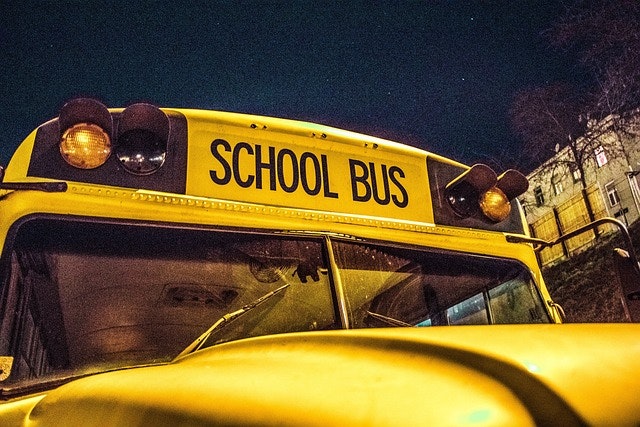
School buses remain one of the safest ways for students to travel, but they require extra caution from surrounding drivers. The most dangerous areas for children are the 10‑foot zones directly in front of or behind a bus, where visibility is limited.
By giving buses ample space, drivers have more time to react when they slow down or stop. Children may unexpectedly step into the road or cross from between vehicles, so patience and attention are essential. Preparing to stop whenever a bus displays warning signals is a simple step that promotes safety.
Sharing the Road With Pedestrians and Young Cyclists
As more kids walk and bike to and from school, drivers must stay mindful of their surroundings. Always stop for pedestrians using a crosswalk, and never pass a vehicle that has halted for someone crossing. This helps protect individuals who may be outside a driver’s direct line of sight.
Young cyclists can be especially unpredictable. They may ride out from driveways or weave between parked cars without warning. Moving carefully in areas where bikes are common helps reduce the chance of sudden conflicts.
Even actions as simple as opening a car door can create risks. Checking mirrors for approaching cyclists before exiting a parked vehicle is a thoughtful habit that prevents accidents and injuries.
Best Practices for Pick‑Up and Drop‑Off Zones
School drop‑off and pick‑up lines are often hectic and congested. Following the procedures set by each school is one of the best ways to keep traffic flowing smoothly and ensure student safety.
Consistency is important. When all drivers follow the designed patterns, it reduces confusion and helps maintain order. Avoiding unsafe actions such as stopping in unapproved areas or blocking traffic lanes significantly lowers the risk of collisions.
Parents and caregivers play a major role in keeping these areas safe. Taking just a few extra minutes to follow school guidelines creates a safer environment not only for their own children but for every student nearby.
Teaching Kids Smart and Safe Road Behaviors
While drivers carry much of the responsibility for road safety, it’s equally important for children to learn how to navigate traffic carefully. Younger kids, particularly those under age 10, benefit from close supervision and repeated guidance.
Simple habits can make a major difference. Encouraging children to stop at the curb, look both ways, and listen for cars before crossing supports lifelong safe behavior. Using marked crosswalks increases visibility and reinforces good habits.
Proper gear also matters. Helmets, knee pads, and other protective equipment add valuable layers of safety for kids who ride bikes or scooters. Limiting distractions such as mobile devices helps them stay aware of their surroundings and make better decisions near the road.
Instilling these practices early helps children stay safer now and prepares them to be responsible road users as they become more independent.
Working Together for Safer Streets
Keeping roads safe during the back‑to‑school season requires shared effort from drivers, parents, educators, and students. Staying alert, respecting traffic laws, and being considerate of others can greatly reduce risks and prevent accidents.
Small habits—like slowing down in school zones or double‑checking for pedestrians—have meaningful impacts on community safety. These mindful choices show a collective commitment to protecting children and supporting safe travel.
As routines shift each August, staying proactive and aware helps everyone navigate the busy season more confidently and safely.
Preparing for a Safe and Confident School Year
The return to school doesn’t have to bring heightened danger. With thoughtful planning and attention, both families and drivers can adapt to the seasonal changes and stay safe on the road. Understanding common risks and committing to safer decisions helps create a smoother, more secure experience for all.
If you have questions about road safety, liability concerns, or ways to better protect your household, professional insights can help. Contact Avalon Integra Insurance for guidance and support throughout the school year so you can make informed decisions and stay protected.