
Back-To-School Safety Reminders
Preparing for a new school year often means adjusting to earlier mornings, full calendars, and fresh routines. Alongside shopping for supplies and organizing lunches, families can use this transition to revisit the everyday habits that help keep children safe.
School safety reaches far beyond the classroom. From the morning commute through after-school activities and time at home, thoughtful planning can make each part of the day feel more secure.
A brief review of practical safety expectations can give students greater confidence while offering parents added peace of mind.
Starting the School Day Safely
The trip to and from school is an important part of every student’s routine. Whether a child walks, rides a bicycle, takes the bus, or is driven by a parent, a few clear reminders can help reduce risks.
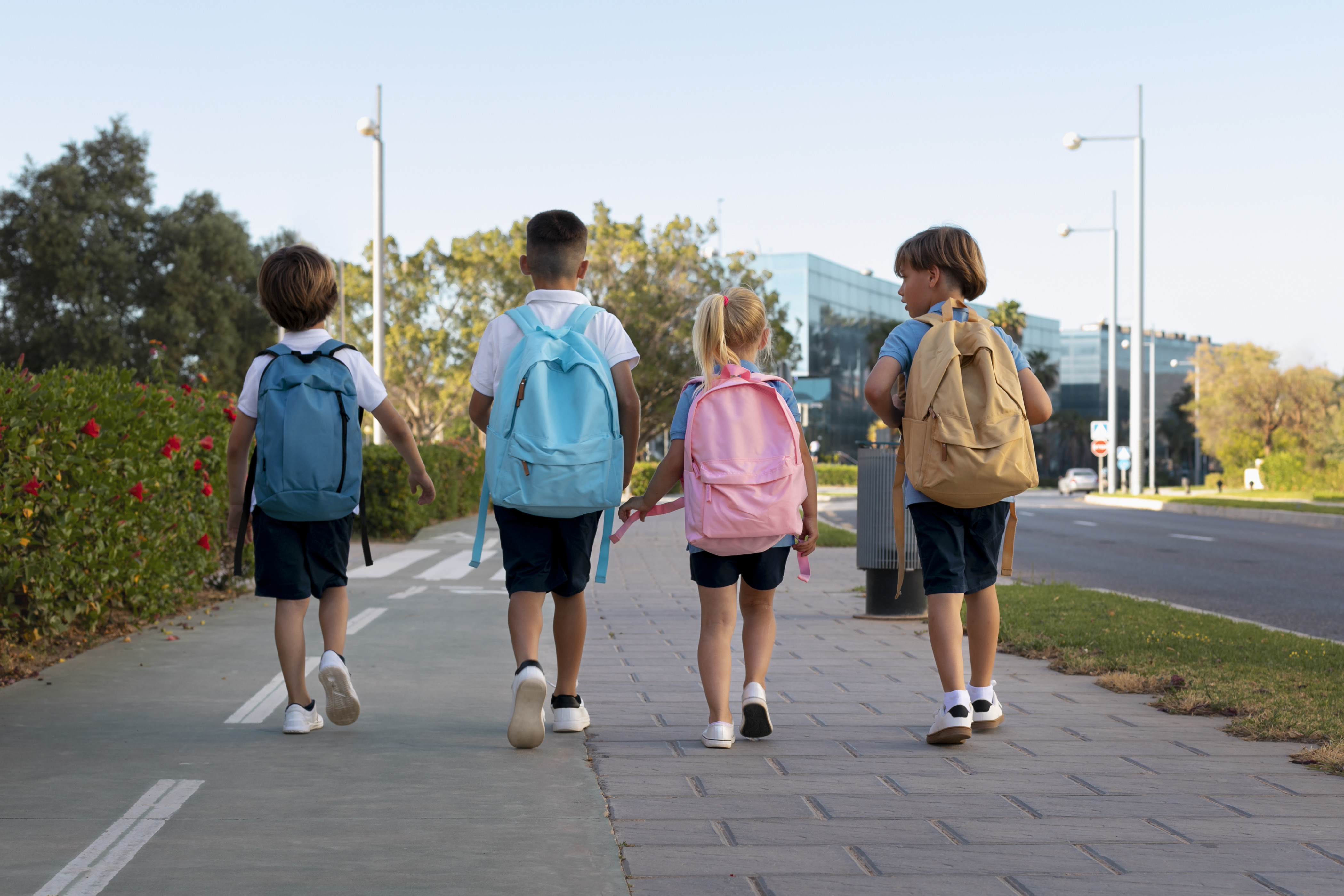
Students who walk should use sidewalks when they are available and cross at designated crosswalks or intersections. Looking carefully in both directions is essential, and making eye contact with an approaching driver can offer another measure of awareness. When possible, walking with a sibling or friend can help children stay attentive during the trip.
Children who ride bikes should wear helmets that fit correctly every time they ride. They should travel on the right side of the road in the direction traffic moves, stop fully before crossing a street, and choose routes with less traffic and fewer intersections when possible.
Families should also review bus-stop expectations before the first day of school. Children should wait at least six feet from the curb, allow the bus to stop completely before moving closer, and avoid walking behind or immediately in front of the bus unless they have made eye contact with the driver. These habits can be especially important during crowded morning pick-up times.
Parents and guardians who drive children to school contribute to a safer environment as well. Following the school’s drop-off process, driving slowly in school zones, and never passing a bus while students are boarding or exiting are essential daily practices.
Teen drivers may benefit from a separate conversation before school begins. Reviewing seatbelt use, posted speed limits, safe passenger behavior, and the dangers of distracted driving can reinforce responsible choices behind the wheel.
Creating Safe, Healthy Routines at School
After students arrive at school, everyday habits continue to support their safety and well-being. Simple preparation can help children know what to do when they need assistance.
Children should know their full name, home address, and the phone number of a parent or guardian. Some families keep a laminated card with emergency contacts and relevant medical details inside a backpack. Accessible information can be helpful if a child needs support while away from home.
Healthy school-year habits matter, too. Because students spend time in close contact with many classmates, germs can spread easily. Teaching proper handwashing and reminding children not to share food or drinks can help limit the spread of illness in classrooms and cafeterias.
Backpack safety deserves attention as part of the daily routine. A bag that is too heavy may place unnecessary pressure on a child’s back and shoulders. A backpack should weigh no more than 15% of a child’s body weight, and students should wear both shoulder straps to distribute the load more evenly.
Conversations about bullying are another important part of back-to-school safety. Parents can help children understand what bullying may look like, how they can report it, and which trusted adults they can approach if something makes them feel unsafe. Knowing where to turn can make it easier for a child to speak up.
Personal-item labels should be handled thoughtfully as well. Rather than displaying a child’s full first name on the outside of a lunch box or backpack, consider using initials or placing identifying labels inside the item to provide more privacy.
Safety After the Final Bell
Planning for safety should not end when the school day does. Afternoons can involve changing transportation plans, activities, work schedules, and time at home, so clear expectations are useful for everyone.
A consistent check-in routine can be a helpful starting point. Children who walk home or arrive before a parent can call or send a message when they get home safely. Some families also choose to use family locator apps or GPS trackers on backpacks for additional reassurance during the afternoon commute.
When a child will be home alone, discuss household rules before the situation arises. Families can set expectations about locking doors, answering calls, allowing visitors inside, and responding if an unfamiliar person comes to the door.
Online safety should remain part of the conversation throughout the school year. Children should understand that personal details, including their address, school name, and usual routine, should not be shared online. Keeping communication open about online interactions can help children report anything that feels uncomfortable or suspicious.
Emergency preparation is equally valuable at home. Children should know where to shelter during severe weather, where the family’s meeting place is in the event of a fire, and whom to contact if a parent or guardian cannot be reached. Practicing these plans can help children react with more calm and confidence if an emergency occurs.
A new school year brings new opportunities, excitement, and changing routines. By reviewing safety practices for the trip to school, the school day, and the hours afterward, families can feel better prepared. Avalon Integra Insurance is here to offer guidance on personal insurance and family safety planning when you need it.